When you’re hiking through Virginia’s forests or exploring its wetlands, you might wonder about the venomous snakes that call this state home. With 34 different snake species found across Virginia, knowing which ones pose a real danger becomes important for anyone who spends time outdoors. Four main types of venomous snakes live in the United States, but not all of them are found in every state.
Coral snakes do not live in Virginia. While these brightly colored venomous snakes inhabit parts of the southern United States, their range doesn’t extend into Virginia. The state is home to only three types of venomous snakes: the Eastern copperhead, the cottonmouth, and the timber rattlesnake. Each year, about 7,000 to 8,000 people get bitten by snakes in the U.S., with only about 5 of those bites being fatal.
Understanding why coral snakes don’t live in Virginia and which snakes you might actually encounter can help you stay safe during your outdoor activities. You’ll also learn about the harmless snakes that people sometimes mistake for dangerous species, so you can tell the difference when you spot one on the trail.
Are There Coral Snakes in Virginia?
No, coral snakes do not live in Virginia. You will not find these brightly colored venomous snakes anywhere in the state.
Virginia is home to only three types of venomous snakes:
- Copperheads – Found throughout the entire state
- Timber rattlesnakes – Located in western mountain regions and a small area in southeastern Virginia
- Cottonmouths (water moccasins) – Found south and east of Petersburg in wet areas
Coral snakes are one of the four main venomous snake groups in the United States. However, their range does not extend into Virginia or the surrounding mid-Atlantic region. You won’t find them in Maryland or the District of Columbia either.
The eastern coral snake lives much farther south in states like Florida, Georgia, and the Carolinas. They prefer warmer climates and different habitat conditions than what Virginia offers.
This is good news if you live in or visit Virginia. You only need to learn to identify three venomous species instead of four. The coral snake’s famous “red touches yellow, kill a fellow” rhyme doesn’t apply in your state.
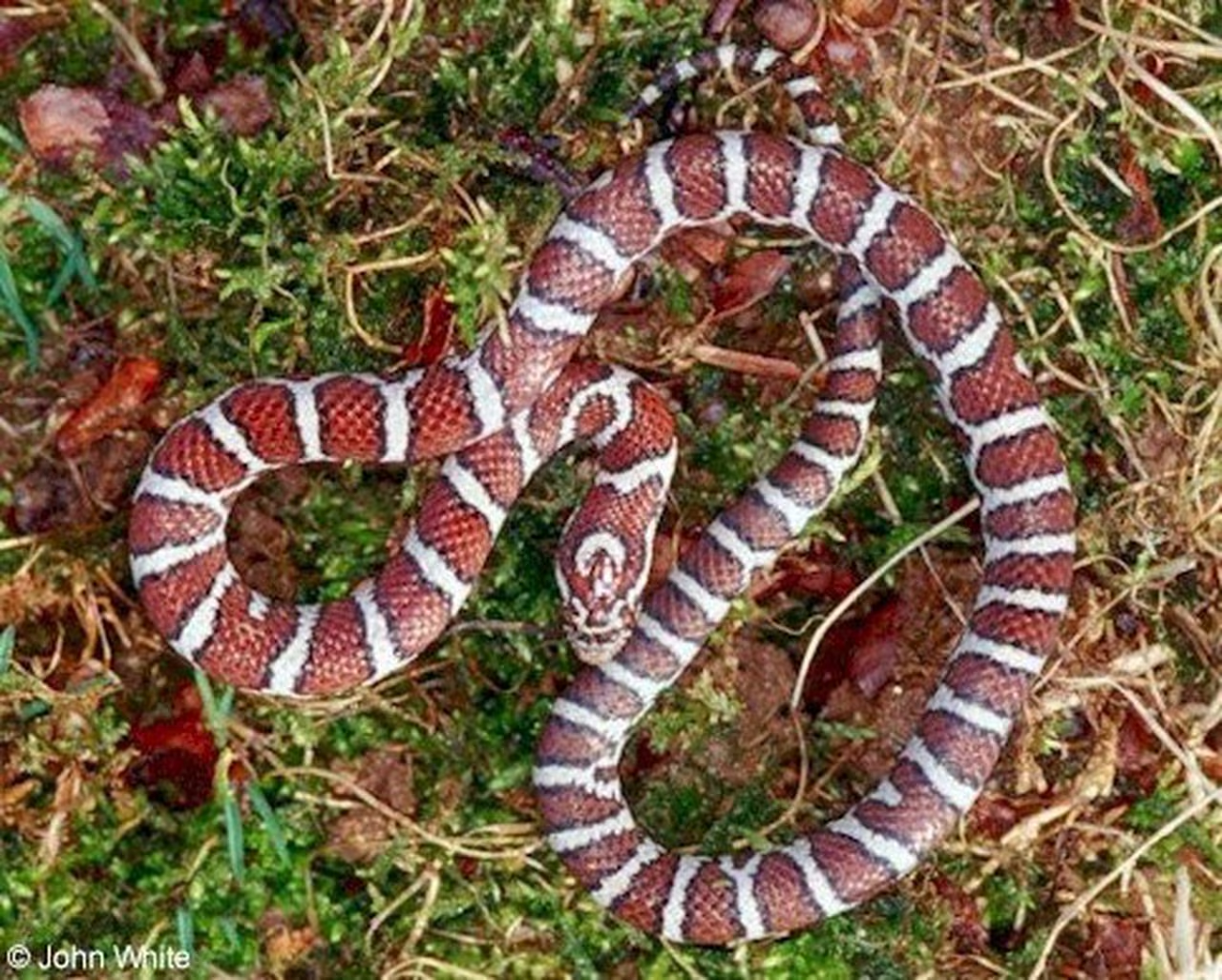
If you see a brightly colored snake with red, yellow, and black bands in Virginia, it’s likely a harmless species like a scarlet kingsnake or milk snake. These non-venomous snakes mimic the coral snake’s appearance as a defense mechanism. Since real coral snakes don’t live in Virginia, you can appreciate these colorful mimics without worry.
Remember that most snakes you encounter in Virginia are harmless. They help control rodent populations around your property.
Why Coral Snakes Don’t Live in Virginia
Coral snakes don’t live in Virginia because the state sits outside their natural range. These snakes are found only in the southeastern and southwestern United States. Virginia’s climate and location are too far north for coral snakes to survive.
Geographic Limitations
Coral snakes need warm, humid environments year-round. They prefer areas like:
- Coastal plains in Florida, Georgia, and South Carolina
- Wooded areas in Louisiana, Mississippi, and Alabama
- Desert regions in Arizona, New Mexico, and Texas
Virginia’s winters are too cold for these reptiles. Coral snakes can’t handle the temperature drops that happen in Virginia during winter months.
Habitat Requirements
You won’t find coral snakes in Virginia because they need specific habitats. They live in places with loose, sandy soil where they can burrow underground. Coral snakes also need marshes, pine forests, and areas with plenty of leaf litter.
Virginia has three venomous snakes instead: copperheads, cottonmouths, and timber rattlesnakes. These snakes are adapted to Virginia’s climate and terrain in ways that coral snakes are not.
The northern boundary for coral snakes stops well south of Virginia. Even in neighboring North Carolina, coral snakes are extremely rare and only found in the far southeastern corner near the coast.
If you’re hiking in Virginia, you don’t need to worry about encountering a coral snake. Your attention should focus on the three venomous species that actually live in the state.
Snakes in Virginia That Look Like Coral Snakes
Virginia doesn’t have coral snakes, but it does have snakes that share similar color patterns. These look-alikes can confuse people who are trying to identify snakes in the wild.
The northern scarlet snake is the most common coral snake mimic in Virginia. This harmless snake has red, black, and yellow bands that circle its body. The key difference is that scarlet snakes have a red nose and their red bands touch black bands, not yellow ones.
Milk snakes also live in Virginia and display red, black, and yellow or white bands. Like scarlet snakes, their red bands touch black bands instead of yellow. These snakes are completely harmless to humans and actually help control rodent populations around farms and homes.
You might also spot eastern kingsnakes with banded patterns. While these snakes typically show black and white or cream colors, some individuals have reddish tones that can look similar to coral snakes from a distance.
The most important thing to remember is the color pattern rule. Real coral snakes have red bands touching yellow bands. The non-venomous look-alikes in Virginia have red bands touching black bands. People often use the rhyme “red touches yellow, kill a fellow; red touches black, friend of Jack” to remember this difference.
If you see a colorful banded snake in Virginia, it’s almost certainly harmless. But you should still keep your distance from any snake you can’t identify with confidence. Never attempt to handle or kill a snake, even if you think it’s non-venomous.