
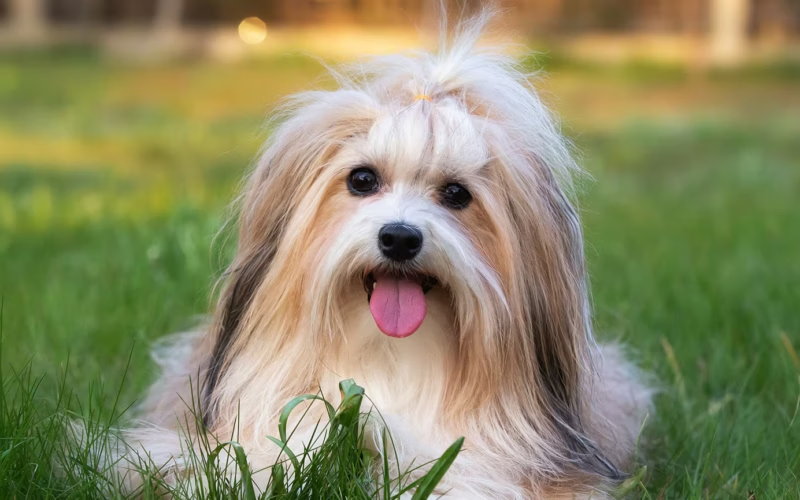
If you’ve ever wondered about the adorable Havanese dog’s family tree, you’re not alone in your curiosity. These small, silky-coated companions didn’t just appear out of nowhere – they have a rich history rooted in two specific breeds that shaped everything from their playful personality to their distinctive coat.
The Havanese breed comes from two primary foundation breeds: the Bichon Tenerife and the now-extinct Blanquito de la Habana.
The Bichon Tenerife, originating from the Canary Islands, arrived in Cuba with Spanish traders and settlers centuries ago.
These small white dogs then bred with the local Blanquito de la Habana, creating the charming breed you see today.
Understanding your Havanese’s ancestry helps explain why these dogs are so adaptable and affectionate. The combination of the hardy Bichon Tenerife’s intelligence and playful nature with the refined, silky-coated Blanquito de la Habana created a perfect companion dog that thrived in Cuban aristocratic households and eventually won hearts worldwide.
Origins of Havanese
The Havanese breed comes from two main dog types that mixed together in Cuba. These dogs created what you know today as the cheerful Havanese companion.
The Bichon Tenerife was the first breed that helped create the Havanese. Spanish traders brought these small white dogs from the Canary Islands to Cuba in the 1500s and 1600s.
The Bichon Tenerife had a curly white coat and weighed 8 to 12 pounds. Sailors loved these dogs because they were smart and friendly on long ship trips.
The Blanquito de la Habana was the second breed that shaped the Havanese. This “little white dog of Havana” was already living in Cuba when the Bichon dogs arrived.
| Breed | Key Traits | Contribution |
|---|---|---|
| Bichon Tenerife | Curly coat, hardy, playful | Size, intelligence, temperament |
| Blanquito de la Habana | Silky coat, gentle nature | Refined appearance, adaptability |
When Cuban families bred these two types together, the result was special. The new dogs had the Bichon’s smart and playful nature. They also got the Blanquito’s silky coat and gentle personality.
Cuba’s warm weather changed how these dogs looked over time. Their coats became less curly and more silky. This helped them stay cool in the tropical heat.
Rich Cuban families carefully chose which dogs to breed together. This created the Havanese breed you see today with its silky coat and expressive eyes.
The Blanquito de la Habana no longer exists as a breed. This makes the Havanese important as the living link to this lost dog type.
What Breeds Make Havanese?
The Havanese comes from two main breeds: the Bichon Tenerife and the Blanquito de la Habana. These dogs created the foundation for what you know today as the Havanese.
The Bichon Tenerife arrived in Cuba with Spanish traders in the 1600s and 1700s. These small white dogs came from the Canary Islands and were popular with sailors.
| Breed | Origin | Key Traits |
|---|---|---|
| Bichon Tenerife | Canary Islands | Small size, curly white coat, cheerful nature |
| Blanquito de la Habana | Cuba | Silky coat, gentle temperament, refined look |
The Blanquito de la Habana was already in Cuba when the Bichon Tenerife arrived. This breed is now extinct. It had a silky white coat and calm personality.
When Cuban families bred these two dogs together, they created the Havanese. The Bichon Tenerife gave the breed its playful nature and intelligence. The Blanquito de la Habana added the silky coat and gentle temperament you see today.
Some sources mention other breeds like the Maltese or Poodle. However, most experts agree that the Bichon Tenerife and Blanquito de la Habana are the true parent breeds.
The Cuban climate changed these dogs over time. Their coats became less curly and more suited to warm weather. Cuban families carefully chose which dogs to breed, making the Havanese even better companions.
Today’s Havanese keeps traits from both parent breeds. You can see the Bichon’s playful spirit and the Blanquito’s refined appearance in every Havanese dog.
Characteristics of Havanese
The Havanese is a small toy breed that weighs between 7 and 13 pounds. They stand 8 to 11 inches tall at the shoulder.
Physical Features:
- Double coat with soft undercoat and longer outer coat
- Silky, flowing hair that can be various colors
- Round, expressive face with floppy ears
- Compact, sturdy build despite small size
| Trait | Description |
|---|---|
| Size | 7-13 pounds, 8-11 inches tall |
| Coat | Double-layered, silky texture |
| Colors | White, black, tan, cream, silver |
| Lifespan | 14-16 years |
Temperament and Personality:
Your Havanese will be friendly and outgoing with people. They love being the center of attention and form strong bonds with their families.
These dogs are intelligent and eager to please. This makes them easy to train with positive methods.
Havanese are playful but not hyperactive. They enjoy games and activities but don’t need intense exercise like larger breeds.
Social Nature:
You’ll find that Havanese dogs are natural social butterflies. They get along well with children and other pets when properly introduced.
They can develop separation anxiety if left alone too long. Your Havanese will want to be near you most of the time.
Exercise and Mental Needs:
Daily walks and indoor play sessions meet their exercise needs. Mental stimulation through puzzle toys keeps them happy and engaged.


