Can You Own a Boa Constrictor in Maryland? What the Law Actually Says

October 27, 2026
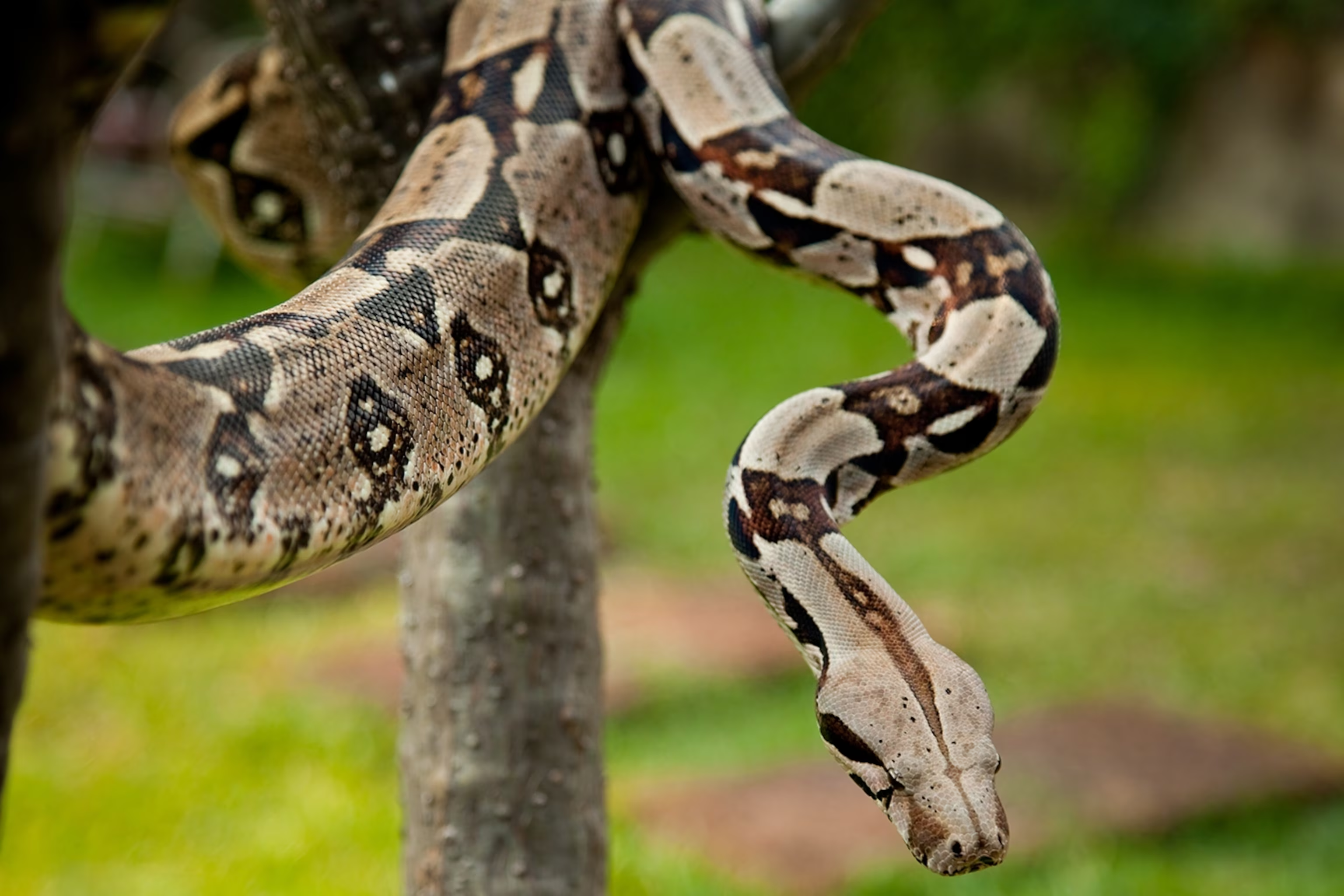
If you’re wondering whether you can own a boa constrictor in Maryland, the short answer might surprise you: this snake isn’t grouped with the tigers, cobras, and primates that Maryland’s dangerous animal law specifically bans. That distinction catches a lot of first-time reptile keepers off guard, since news coverage of escaped exotic pets often makes it sound like every unusual animal faces the same crackdown.
Working out where a boa constrictor actually falls under Maryland law takes more than a quick search, though. State statutes, a separate wildlife permit system, county ordinances, and federal wildlife rules each touch this question in a different way. Here’s what applies at every level, plus what can happen if you get it wrong.
Is It Legal to Own a Boa Constrictor in Maryland
The boa constrictor (Boa constrictor) is one of the most widely kept large snakes in the American pet trade, prized for its manageable size compared to reticulated or Burmese pythons and its reputation for calm temperament with regular handling. In Maryland, this species is legal to own at the state level. Non-venomous snakes, including large constrictors like ball pythons, boa constrictors, and even reticulated pythons, are not listed as prohibited under Maryland’s dangerous animal statute.
That confuses people because Maryland does maintain a real ban list for exotic animals — it’s just narrower than most residents assume. Several species of snakes like boa constrictors and pythons are legal in Maryland, and people do own them. The confusion usually comes from conflating this species with genuinely restricted animals, or from outdated blog posts that misstate which regulation applies.
Key Insight: Maryland’s exotic pet restrictions target specific animal categories, not “exotic pets” as a whole. A boa constrictor is legal for the same reason a ball python or corn snake is: none of them appear on the state’s dangerous animal list.
If you want a closer look at how this species compares to other large constrictors before you commit to one, the boa constrictor species profile covers size, lifespan, and care basics that matter just as much as the legal question.
Federal Restrictions on Boa Constrictors

Federal law adds a layer of oversight, though it rarely affects a typical household owner. The Lacey Act gives the U.S. Fish and Wildlife Service authority to restrict interstate transport and import of species it classifies as injurious wildlife, and several giant constrictor species have drawn scrutiny under that framework over the years — a reminder that federal rules aim more at commercial trade and ecological risk than at pet ownership inside a single state.
Maryland also layers its own state law on top of federal requirements that apply to anyone dealing commercially in animals. Maryland follows federal laws set by the United States Department of Agriculture under the Animal Welfare Act, which includes regular inspections and standards for animal housing, handling, transportation, and medical care. That mostly matters for breeders, dealers, and exhibitors rather than someone keeping a single boa constrictor at home.
International trade in this species is also governed by the Convention on International Trade in Endangered Species, which is separate from the domestic protections covered under Maryland’s own endangered species rules. None of these federal layers change the basic fact that private ownership of a boa constrictor is legal within Maryland’s borders — they simply govern how the animal can be bought, sold, or moved across state and national lines.
Maryland’s Laws on Owning a Boa Constrictor
The core state law here is Criminal Law § 10-621, Maryland’s dangerous animal statute. Maryland bans private ownership of a specific list of animals under this statute, including bears, wild cats, foxes, skunks, raccoons, alligators, crocodiles, caimans, wild dogs, wolf-dog hybrids, nonhuman primates, and venomous snakes from certain families. Those venomous snake bans cover four specific families: sea snakes, elapids such as cobras and coral snakes, viperids, and crotalids like rattlesnakes and copperheads.
Boa constrictors simply don’t appear anywhere on that list. Here’s how the categories break down:
| Animal Category | Legal Status in Maryland |
|---|---|
| Bears, wild cats, wild dogs, primates | Banned under Criminal Law § 10-621 |
| Alligators, crocodiles, caimans | Banned under Criminal Law § 10-621 |
| Venomous snakes (elapids, viperids, crotalids, sea snakes) | Banned under Criminal Law § 10-621 |
| Boa constrictors, ball pythons, corn snakes | Legal at the state level |
There’s one wrinkle worth knowing even though it doesn’t apply to boas: Maryland grandfathered in owners of now-banned species. The law came into effect in 2006, with an exception for anyone owning a banned animal before May 31, 2006, as long as they provided notice to the local county animal control authority — meaning someone who legally had a banned species before that date could keep it. That provision has no bearing on boa constrictor ownership today, since the species was never restricted in the first place.
If you’re curious how boas compare to the state’s native snake species that do face separate protections, the guide to snakes found in Maryland and the breakdown of venomous animals in Maryland both draw a clear line between what’s native and regulated versus what’s an exotic pet with different rules entirely.
Permits and Requirements for Boa Constrictor Ownership in Maryland
This is where a lot of online guides get tripped up. Maryland does run a state permit system for reptiles and amphibians, but it targets a completely different group of animals than most people assume.
Maryland’s reptile and amphibian possession regulations govern the possession, breeding, sale, offer to sell, trade, or barter of certain native reptiles and amphibians, and are intended to protect and conserve those native species. The Maryland Department of Natural Resources adopted these rules in 1993 to protect and conserve native reptiles and amphibians while maintaining the educational and economic benefits derived from them.
Important Note: A few sites online claim boa constrictors need a special DNR possession permit in Maryland. That’s incorrect. The DNR’s captive reptile and amphibian permit system applies only to species native to Maryland — and a boa constrictor, native to Central and South America, doesn’t qualify as one. No state wildlife permit is required to privately own one.
That doesn’t mean documentation is irrelevant. If you’re buying a boa constrictor, keeping proof of a legal, captive-bred source is smart practice, since it protects you if ownership or origin is ever questioned. Compare this to how the state treats reptiles it does regulate closely, like the native species covered in the guide to lizards in Maryland or the frogs native to Maryland, both of which fall under permit limits that simply don’t apply to an exotic pet like a boa.
Anyone planning to breed or sell boa constrictors commercially faces a different set of requirements than a hobby keeper. Commercial activity can trigger USDA dealer licensing and additional recordkeeping obligations under the Animal Welfare Act, separate from anything the state of Maryland requires for simple pet ownership.
Local Ordinances That May Apply in Maryland
State law being permissive doesn’t guarantee your specific city or county feels the same way. Local counties can impose stricter rules than the state, and separate state and federal protections on endangered species and native wildlife add additional layers of restriction. That means the legal answer at the state level is really just the starting point.
Before bringing home a boa constrictor, it’s worth checking with your local animal control office directly. You can find out what your local rules actually allow by calling your local county animal control authority. Maryland counties have shown a willingness to regulate animal ownership at the local level in other contexts too — the patchwork of backyard chicken laws in Maryland and county-specific rooster ownership restrictions both show how much variation exists county to county even for animals legal statewide.
Rental housing adds another layer entirely. Landlords can set reasonable pet rules in their lease agreements, including restrictions on certain types of pets, and clearly outlining which animals are allowed can help avoid misunderstandings after a tenant moves in. A lease that bans “exotic pets” broadly could rule out a boa constrictor even though the state itself has no objection.
Local enforcement isn’t hypothetical, either. An eight-foot boa constrictor turned up near Lake Montebello in Baltimore after apparently escaping or being released, drawing attention from local wildlife rescuers and animal control before it was safely rehomed. Incidents like that are exactly why counties keep the authority to respond to loose or abandoned exotic pets, even when the species itself is legal to own.
Penalties for Illegally Owning a Boa Constrictor in Maryland
Because boa constrictors aren’t on Maryland’s dangerous animal list, the specific criminal penalties tied to that statute don’t apply to responsible boa owners. Those penalties exist for a different group of animals entirely. Violations of the dangerous animal statute are a misdemeanor carrying fines up to $1,000 for individuals. That’s the consequence for keeping a bear, wild cat, or venomous snake without authorization — not for keeping a boa constrictor.
That said, boa constrictor owners aren’t automatically in the clear if something goes wrong. A few situations can still create legal exposure:
- Violating a county or municipal ordinance that restricts exotic pets locally, even where state law allows them
- Breaking a lease agreement or HOA rule that bans non-traditional pets
- Facing liability if an escaped or improperly secured snake injures someone or damages property
- Operating as an unlicensed commercial breeder or dealer without required USDA or business documentation
That liability question deserves particular attention. Maryland applies strict liability standards to exotic animal ownership in some circumstances, meaning an owner can be held responsible for injuries or damage caused by their animal even without proof of negligence. Combined with the real-world example of the loose boa found in Baltimore, it’s a good reminder that “legal to own” and “risk-free to own” aren’t the same thing — secure enclosures and basic preparedness matter regardless of what the statute says.
Pro Tip: Before buying a boa constrictor in Maryland, confirm your county’s animal control rules and your lease or HOA policy in writing. The state gives you a green light, but the final answer depends on where in Maryland you actually live.
None of this is a substitute for legal advice tailored to your specific county or lease situation. If you’re unsure how a local ordinance or rental agreement applies to your circumstances, a licensed Maryland attorney or your county animal control office can give you a definitive answer before you bring a snake home.